


How Long Does Physical Therapy Take to Work for Common Injuries?
If you are dealing with pain, tightness, or an injury that just will not quit, you want real answers, not another generic protocol. Whether you are an athlete, an active adult, or a new mom in Waco, TX, understanding your recovery timeline is the first step toward getting back to what you love. At Active Therapy Alliance, we believe that clarity about the process leads to better outcomes and stronger, more lasting results.
There is no single answer that fits everyone, but there are clear factors that consistently shape how quickly you heal and how well you stay healed.
What Determines Your Recovery Timeline
Your recovery is unique to you, but a few key variables reliably drive the pace of progress.
Injury Type and Severity
A mild ankle sprain and a post-surgical knee are two very different starting points. Acute injuries often respond faster to treatment, while chronic issues like long-standing tendinitis require more investigation to uncover the underlying cause before meaningful progress can happen.
Consistency and Commitment
Physical therapy is a partnership, not a passive service. Showing up for your sessions and staying consistent with your home program directly accelerates your results. Your body is capable of remarkable healing when given the right input at the right time.
A Root-Cause, Whole-Body Approach
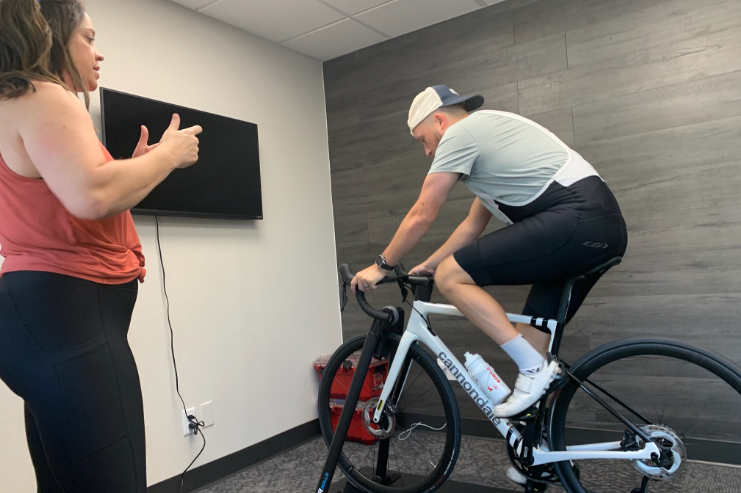
Generic protocols produce generic results. At Active Therapy Alliance, our providers do not simply chase symptoms. Tools like Functional Movement Assessment and Movement Screens help identify why an injury happened in the first place, so your plan is built around you, not a one-size-fits-all template.
What to Expect for Common Injuries
The timelines below are general roadmaps, not guarantees, but they offer a realistic sense of what the recovery journey looks like for several common conditions.
Sprains and Strains
Early treatment focuses on reducing pain and swelling while restoring basic movement. From there, care shifts toward strengthening, balance training, and neuromuscular re-education. The final phase involves progressive loading and return-to-sport progressions to reduce the risk of re-injury.
Tendinitis
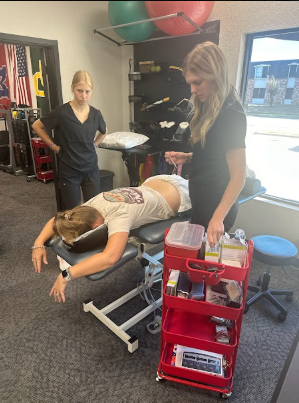
Early stages target inflammation and mobility. As progress builds, eccentric strengthening and correcting faulty movement patterns become the priority. Modalities like dry needling and blood flow restriction (BFR) training can help accelerate tendon strength and resilience during this phase.
Low Back Pain and Sciatica
Manual therapy and targeted therapeutic exercise often bring meaningful early relief. Long-term success depends on building core strength, improving posture, and identifying contributing factors in the hips, pelvis, or overall movement mechanics so the pain does not return.
Post-Surgical Recovery
Post-surgical rehabilitation follows structured phases, beginning with protecting the surgical site and progressing toward rebuilding strength and range of motion. Return-to-Sport Testing helps confirm that you are not just cleared on paper, but truly ready for demanding physical activity.
Running and Sport-Specific Injuries
A Running Gait Analysis or Running Form Assessment can pinpoint biomechanical inefficiencies that a standard evaluation might miss. Targeted strengthening and progressive return-to-sport drills help you get back to running and competing stronger and smarter, not just pain free.
How Active Therapy Alliance Supports Your Recovery
A Root-Cause Approach to Lasting Results
At Active Therapy Alliance, care goes deeper than surface-level symptom management. Detailed assessments, including Functional Movement Assessments and Return-to-Sport Testing, help identify the true source of your pain so the plan addresses the problem, not just the discomfort.
Precision Progress Tracking
Progress is measured, not assumed. Objective tools like isokinetic and dynamometer testing and force plate testing provide clear data on where you are in your recovery, so you know exactly when you are ready to advance to the next stage.
Advanced Treatment Modalities
Active Therapy Alliance offers a broad range of evidence-backed treatments designed to support efficient healing and rebuild physical capacity, including:
- Dry Needling
- Blood Flow Restriction (BFR) Training
- Myofascial Release
- Soft Tissue Mobilization
- IASTM / Graston Technique
- Joint Mobilization and Manipulation
- Therapeutic Exercise
- Neuromuscular Re-Education
- Cupping and Taping (KT / Athletic)
- Compression Therapy
- Electrical Stimulation (TENS/NMES)
Support Beyond Discharge
Many clinics say goodbye once you are pain free. Active Therapy Alliance takes a longer view. Ongoing support through performance training, strength and conditioning, and sports performance training helps you maintain the gains you worked hard to achieve, long after your formal care plan ends.
Take the First Step Toward a Clearer Recovery Path
You do not have to guess how long your recovery will take or settle for a plan that was not built for you. Schedule a visit with Active Therapy Alliance and speak directly with a provider about your specific situation. A clear, individualized path forward is closer than you think.